
For the better part of the last 20 years I have experimented with a handful of ideas for the winter caddis pupa. The Foam Caddis Pupa that came to fruition from the old crew of FRAA diehards although effective has one major flaw in my opinion; you can’t see the damn thing very easily. After many prototype patterns, including the Tiny Dancer, I have finally settled on one that not only consistently produces, but you can see it very well and it is about as durable as you can ask for. I had a day with this bug one morning mid December that would rival any nymphing day you might encounter this time of year. The key is paying attention to the water closely and looking in the right water type and you will find pay dirt. And for the record, this isn’t a one hit wonder, every time these bugs have been on the water in the last couple of years, this bug has been the ticket. But hey, tie a few up and find out for yourself. If you want to time some, watch the video after this section or buy a few in the store, I will gladly tie them for you.
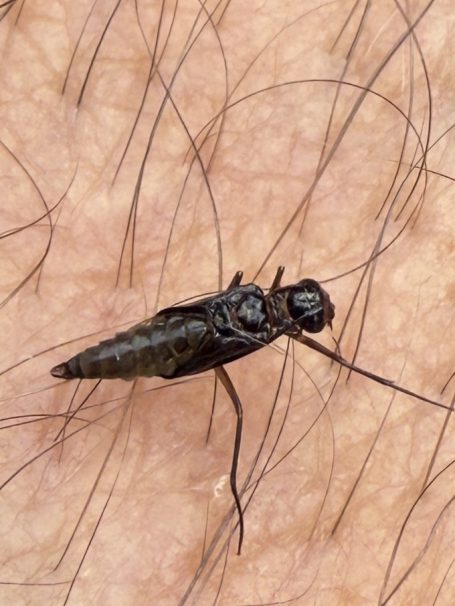
If you fish the Farmington River, you are familiar with the winter/summer caddis (Dolophilodes distinctus) that hatch nearly all year long. There is a long history of regulars that used to dry fly fish the river almost daily as well. This particular hatch emerges with adult males that are winged, and females that are wingless that skitter across the water to the edge to find a mate. What they lack in size they must make up for in proliferation and taste as the trout never seem to pass these things up.
For the last 25 years I have spent many a day fishing this hatch and trying to refine a pattern that was easier to see and as effective if not more than the original foam emerger. What that fly made up for in its ability to fool fish it significantly lacked in visibility. You simply cannot see it well which detracted from my willingness to fish it as I grew older and my vision wasn’t as good.
The Farmington Special sits flush in the film, but the hi-viz parachute post rides high and really sticks out in the foam and film, and some days you can see the wakes of fish chase this one down. Dead drift or twitched this one is hard to beat and you might find that your local tailwater has these as well. On a wide gap Firehole 413 short shanked hook, I fish an 18 most of the time for reference.